

Automation
Components of an Automation System
A complete system typically consists of four main components:
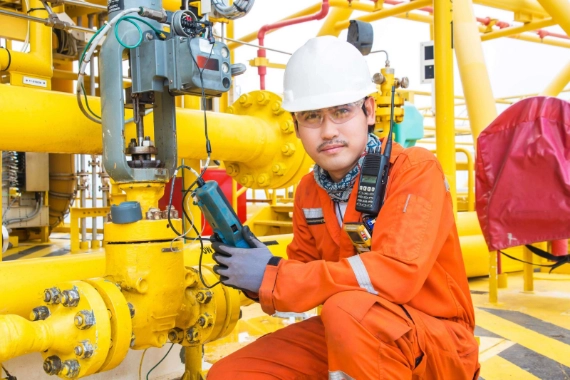
1. Sensor / Transmitter:
The Sensor is the element that senses a physical variable (like temperature) and converts it into another measurable signal (usually an electrical one).
The Transmitter takes this raw signal from the sensor, amplifies and processes it, and converts it into a standardized signal (e.g., 4 to 20 milliamps) so it can be sent to a control unit
2. Controller:
This is the brain of the system. The controller compares the signal received from the transmitter with the desired value (Set Point). If there is a difference (error), it issues a command to correct the situation. Controllers can be simple devices or part of a central computer like a PLC (Programmable Logic Controller) or a DCS (Distributed Control System)
3. Final Control Element
This is the component that executes the command from the controller. The most common example is a Control Valve. The control valve adjusts the flow of fluid by opening or closing, thereby bringing the process variable closer to the desired value.
4. Indicator / HMI (Human-Machine Interface):
A device for displaying information to a human operator. This could be a simple local indicator on a device or an advanced computer screen (HMI) that shows the entire process graphically.
Siemens: Total Integrated Automation (TIA)
Siemens is the backbone of our automation strategy, focusing on seamless connectivity across the plant floor.
- Next-Gen Control (PLC): Expert design and programming using the SIMATIC product family, from S7-300 all the way to the latest standards under the S7-1500 PLCs, our engineers will deliver reliable and cutting edge performance.
- Integrated Security & Diagnostics: Utilizing the TIA Portal to implement industrial cybersecurity and remote diagnostic layers.
- High-Speed Networking: Deployment of Profinet architectures for real-time data exchange.
- Dynamic Drive Systems: Implementation of Sinamics frequency converters to optimize motor performance and achieve significant energy recovery.
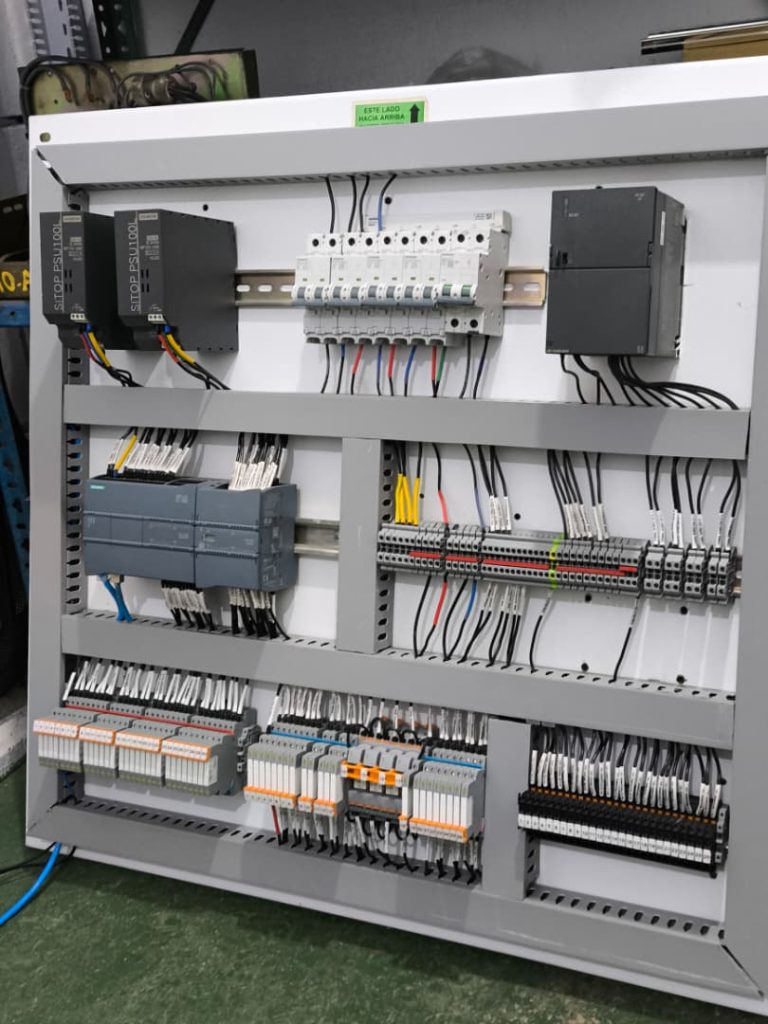
Excellence in Distributed Control (DCS) & Stability
In the demanding environments of Oil & Gas.
- DCS Architecture: Management of thousands of control loops across large-scale complexes with zero-latency synchronization.
- Power Protection: Installation of smart low-voltage switchgears and Relion protection relays to safeguard high-value electrical assets from grid fluctuations.
- Harsh-Environment Instrumentation: Calibration and installation of rugged flow and pressure transmitters, specifically engineered for corrosive chemical units.
Digital Transformation & Energy Management
- Modicon Innovation: Utilization of the M580 PLC series, featuring native Ethernet-in-the-backplane for industry-leading data throughput.
- EcoStruxure Platform: Deployment of IoT-ready software layers for real-time energy monitoring and predictive maintenance analytics.
- Hazardous Area Safety: Implementation of TeSys and Masterpact components to ensure the highest safety ratings in explosive or volatile environments.
Excellence in Distributed Control (DCS) & Stability
In the demanding environments of Oil & Gas.
- DCS Architecture (800xA): Management of thousands of control loops across large-scale complexes with zero-latency synchronization.
- Power Protection: Installation of smart low-voltage switchgears and Relion protection relays to safeguard high-value electrical assets from grid fluctuations.
- Harsh-Environment Instrumentation: Calibration and installation of rugged flow and pressure transmitters, specifically engineered for corrosive chemical units.
Digital Transformation & Energy Management
- Modicon Innovation: Utilization of the M580 PLC series, featuring native Ethernet-in-the-backplane for industry-leading data throughput.
- EcoStruxure Platform: Deployment of IoT-ready software layers for real-time energy monitoring and predictive maintenance analytics.
- Hazardous Area Safety: Implementation of TeSys and Masterpact components to ensure the highest safety ratings in explosive or volatile environments.