

Project
Modernization of Control System for 50+ Year-Old Ammonia Plant
Executive Summary
This project involved the comprehensive modernization of the control systems for three aging ammonia production facility. The original control panels, over 50 years old, relied on obsolete and unreliable technologies. Our team was responsible for the engineering, design, and implementation of a new, stable control architecture using Siemens PLCs, which was successfully completed, restoring reliability and safety to the process.
1. Client Challenge: Risks of Obsolete Technology
The client’s primary challenge stemmed from the extreme age of their equipment. Three critical components, in operation for over 50 years, were controlled by outdated and unstable systems, presenting significant operational risks.
2. Analysis of the Obsolete Control Philosophy
Our technical assessment revealed that the original control philosophy was fundamentally flawed due to its aged design:
Unreliable Components: The system was heavily reliant on electromagnetic relays and timers. The entire logic sequence and critical safety interlocks depended on the precise functioning of these mechanical parts.
System Instability: The failure of a single relay or contact was capable of interrupting the entire control sequence. This led to frequent production stoppages and, more critically, posed a serious risk of compromising equipment protection and safety.
3. Diagnostic and Maintenance Challenges
The obsolete design created severe diagnostic challenges for the plant’s maintenance team. Faults within the complex relay logic were difficult and time-consuming to trace. This resulted in:
- Extended Downtime: Lengthy troubleshooting processes directly impacted production availability.
- High Maintenance Complexity: Maintaining the aging panels required specialized knowledge of outdated systems and sourcing hard-to-find spare parts.
4. Our Solution: A Complete Modernization with Integrated Solutions
To address these critical weaknesses, our team engineered and executed a complete control system upgrade:
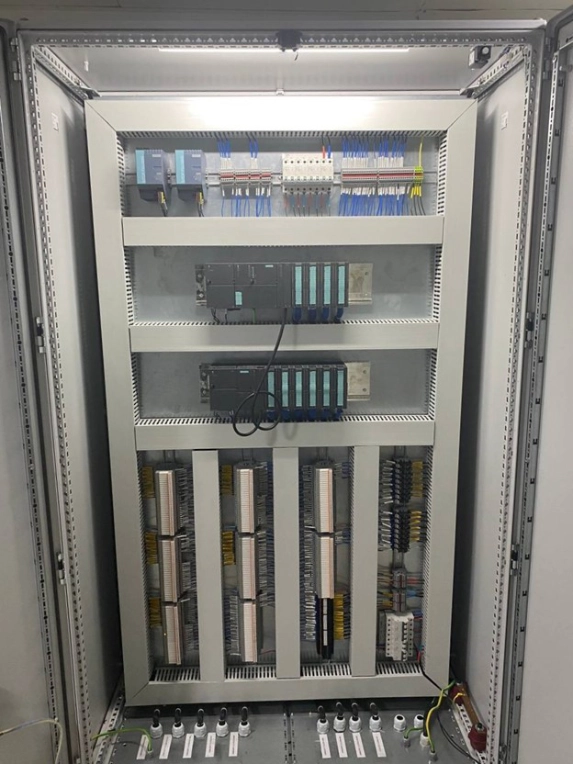
- New Control Hardware: We designed and implemented a new control system based on three Siemens S7-300 PLCs for the compressors & multiple S7-1200 PLCs for the heaters. This provided a stable, reliable, and programmable platform to guarantee a safe and reliable operation for the lifetime of the plant.
- New Control Panels: Our team designed and built new, modern control panels to house the new PLCs and associated components, ensuring a clean and organized layout.
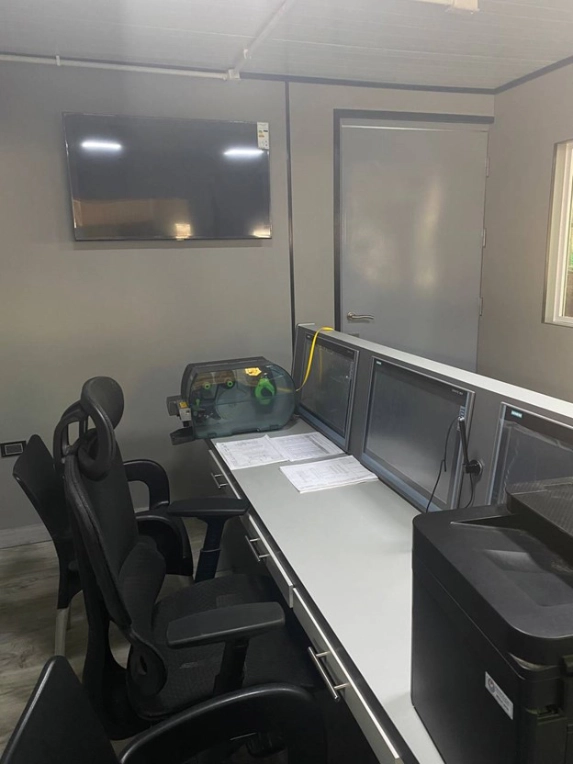
- Modern HMI System: We integrated modern Human-Machine Interface (HMI) panels. This provided the operations team with a clear, graphical interface for monitoring parameters, visualizing trends, diagnosing issues in real-time, and controlling the process efficiently.
5. Integrated solution through Delta-V DCS
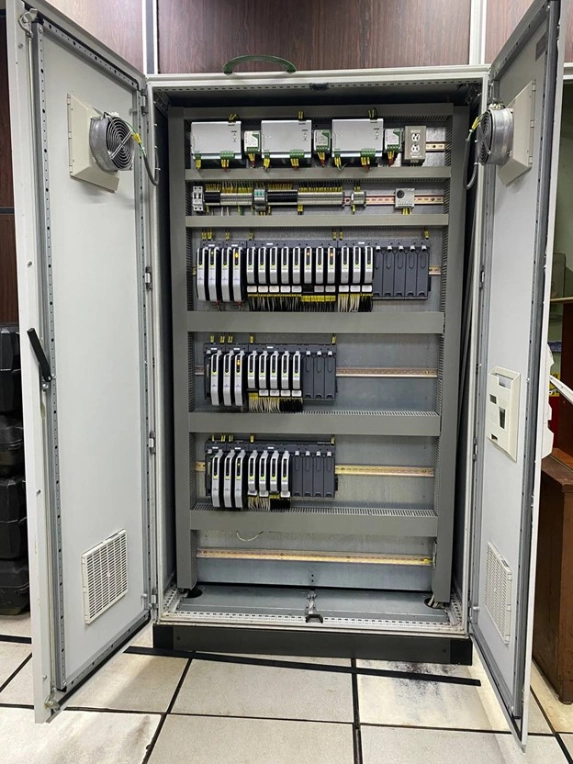
Our team successfully completed the commissioning for all control systems, boilers, heaters and diverse process variables and actuators that were pivotal to the process.
Channeling all of this progress into a Delta-V Distributed Control System (DCS), which allows for full monitoring of the plant’s state, achieving the following key goals:
- Enhanced Reliability: Elimination of failures caused by obsolete relays and timers.
- Improved Safety & Equipment Protection: Robust and dependable implementation of control logic and safety interlocks.
- Reduced Downtime: The new HMI systems enable quick diagnostics, drastically reducing troubleshooting and repair times.
- Centralized Supervision: The Delta-V DCS allows for monitoring of the multiple processes from a centralized location, enabling operators to fully grasp the plant’s status.
- Future-Proof Operation: The renewed systems provide a foundation for future integration with plant-wide control systems.